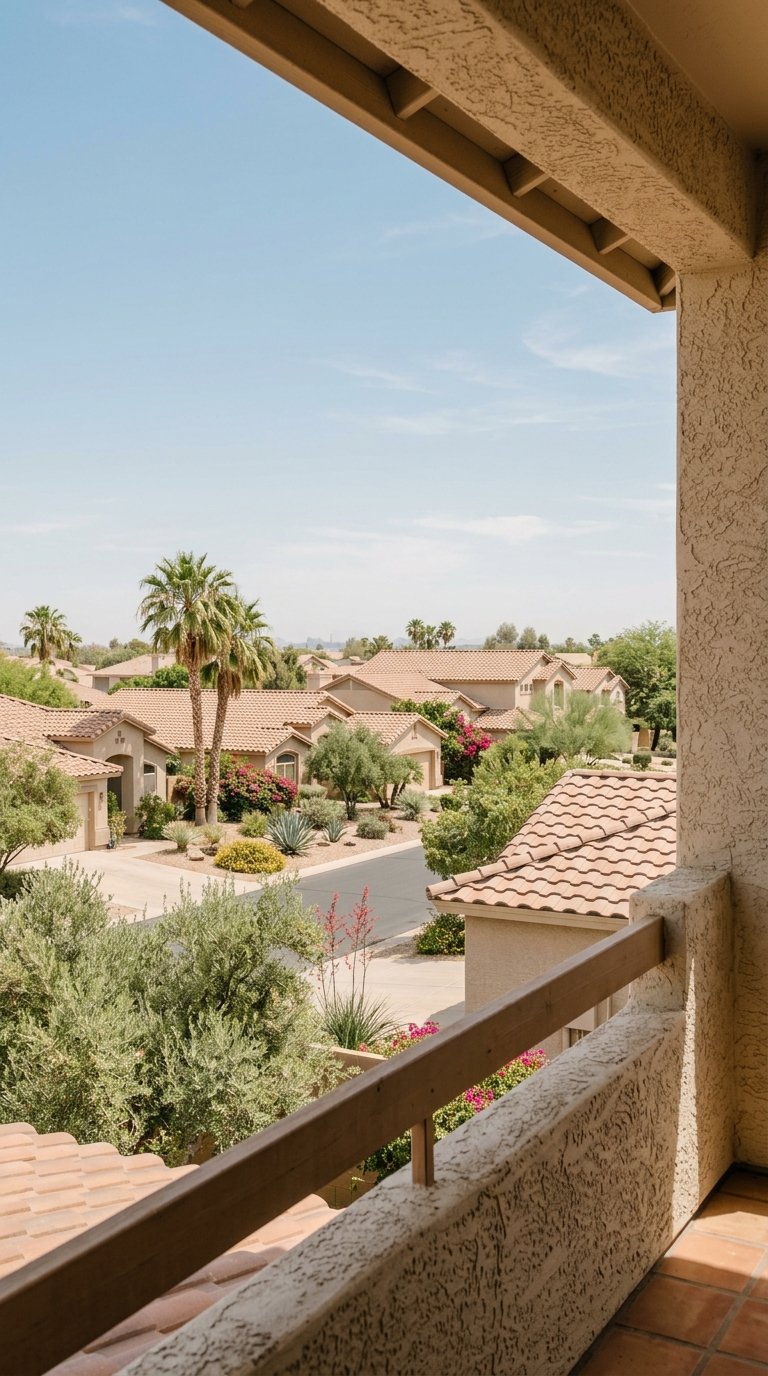
How to Time the Las Vegas Housing Market Today
If you are trying to decide whether to buy or sell now in Las Vegas, the short answer is this: the market currently leans a bit toward buyers, but the right move still depends on your budget, timeline, and neighborhood. That can feel frustrating when headlines send mixed signals, especially if you are worried about mortgage rates, rising inventory, or whether your home will sit too long. In this guide, you will see what the latest Las Vegas data says, what it means for buyers and sellers, and how to think through your next step with more confidence. Let’s dive in.
The latest local data points to a buyer-leaning market, not a market in freefall. According to Realtor.com’s Las Vegas market data, the city had 9,714 homes for sale in February 2026, a median 50 days on market, and homes sold for 1.77% below asking on average. Clark County showed similar conditions, with 14,770 homes for sale, a 50-day median days on market, and homes selling for 1.68% below asking.
That matters because it suggests buyers have more options and a little more negotiating room than they did in tighter conditions. It also means sellers need to be more precise with pricing and presentation. Homes are still selling, but the average buyer is showing more patience.
FOX5, citing Las Vegas Realtors data, also reported that the median sale price for single-family homes was $481,995 in February 2026, with 6,131 single-family listings without offers and more than four months of combined supply. You can read that FOX5 market report here. Those figures support the same broad takeaway: supply has grown, and buyers are no longer forced to move as quickly as they were during hotter periods.
The biggest reason is inventory. More homes are available, and that usually gives you more leverage if you are shopping for a property.
Realtor.com’s local market page shows active listings up 15.46% year over year in Las Vegas and 14.56% year over year in Clark County. Median days on market remained at 50 days, which tells you homes are generally taking longer to move than they did in ultra-competitive conditions.
At the metro level, Realtor.com’s February 2026 housing data shows active listings in the Las Vegas-Henderson-North Las Vegas area up 23.0% year over year, with a median list price of $464,950. The same report notes that 18.2% of listings had price cuts.
For buyers, that can create real advantages:
That does not mean every home is a bargain. Well-priced homes in strong pockets can still move quickly. Still, the broader trend gives buyers more breathing room than they had when inventory was much tighter.
If you are buying in Las Vegas now, the main question is not whether you can time the market perfectly. The better question is whether the monthly payment works comfortably for you today and whether the home fits your longer-term plans.
Mortgage rates have been moving enough to keep affordability uncertain. Freddie Mac’s PMMS archives show the 30-year fixed rate at 6.38% on March 26, 2026, after reading 6.00% on March 5 and 6.11% on March 12. That kind of movement over just a few weeks is a reminder that waiting for the “perfect” rate can be difficult.
Freddie Mac’s homebuyer guidance on mortgage rates explains that even small changes in rates can affect affordability and purchasing power. In practical terms, that means your buying decision should be payment-first.
A smart way to approach this market is to test a few realistic scenarios before you start writing offers. Ask yourself:
If the answer is yes, buying now may make good sense. You are shopping in a market with more selection and less pressure, which can be a meaningful advantage.
Based on the current inventory, days on market, and sale-to-list data, buying now tends to make more sense if:
For many buyers, especially move-up, relocation, or new-home shoppers, those conditions can be favorable. More options can mean a better fit, not just a better price.
If you are selling, this market is still workable, but it is less forgiving than it was when homes regularly drew stronger offers and moved faster. Buyers are paying attention to value, and they have more alternatives.
That does not mean you should wait automatically. It means your strategy matters more.
With homes in Las Vegas selling for an average of 1.77% below asking, and Clark County homes selling for 1.68% below asking according to Realtor.com’s local data, overpricing can cost you time and momentum. Buyers are comparing more listings, and many have seen price reductions become more common.
A realistic asking price based on current closed-sale comps is one of the strongest tools you have. In a market with more supply, a fresh listing that is priced well often performs better than one that starts high and chases the market down.
When buyers have more choices, your home needs to stand out for the right reasons. Clean condition, strong photography, good availability for showings, and a clear pricing strategy all matter more in a buyer-leaning market.
This is especially true for sellers in mid-to-upper price tiers, where buyers may be more selective and take longer to compare options. If your home is move-in ready and marketed well, you can still attract serious attention.
Selling now may make sense if:
The market is not shut down. Sales are still happening. The difference is that buyers are showing more discipline, so sellers benefit from a sharper strategy.
Las Vegas is not one uniform market. It is a collection of very different submarkets, and timing can look different depending on where you are buying or selling.
Realtor.com’s Clark County market page shows major differences in inventory, prices, and days on market across local areas. In February 2026, Centennial Hills had 1,445 homes for sale, Summerlin North had 371, Summerlin West had 315, and Downtown Las Vegas had 173. Median prices on the county page ranged from about $269,050 in Winchester to $890,000 in Summerlin South.
Days on market vary too. The same county data shows City Center at 18 days, Charleston Preservation at 30, Summerlin West at 39, and Mesquite at 59. That spread tells you why broad market headlines only go so far.
If you are buying in a faster-moving pocket, you may still need to act quickly on well-priced homes. If you are selling in an area with more inventory or longer days on market, you may need stronger pricing discipline and more patience.
That is why local, neighborhood-level analysis matters so much in Las Vegas. A citywide trend can be useful, but your actual decision should come down to the specific area, price point, and property type you are dealing with.
Sometimes waiting is the right call, but it comes with tradeoffs. If you are a buyer and your budget feels stretched, waiting may help you improve your financial position. If you are a seller and your home needs work, waiting may give you time to make updates that improve marketability.
At the same time, waiting does not remove uncertainty. Rates may stay near current levels, and more inventory could continue to arrive. That means buyers could still face affordability pressure, while sellers could face more competition later.
If you are unsure whether to buy or sell now in Las Vegas, use this simple framework:
The latest data supports a balanced answer. Las Vegas currently leans toward buyers, but sellers can still do well with realistic pricing, strong presentation, and neighborhood-specific guidance. The best move is the one that fits your finances, timing, and local market segment.
If you want a clearer answer based on your neighborhood, price point, and goals, connect with Brian Wedewer. With decades of Las Vegas market experience and a data-driven approach, Brian can help you weigh the numbers and move forward with confidence.

Ready to find your dream home or sell your property for top dollar? Partner with me, an experienced real estate agent dedicated to making your real estate journey smooth and successful. Let's turn your real estate goals into reality today! Contact me now to get started.
8850 WEST SUNSET ROAD SUITE 200 LAS VEGAS NV 89148