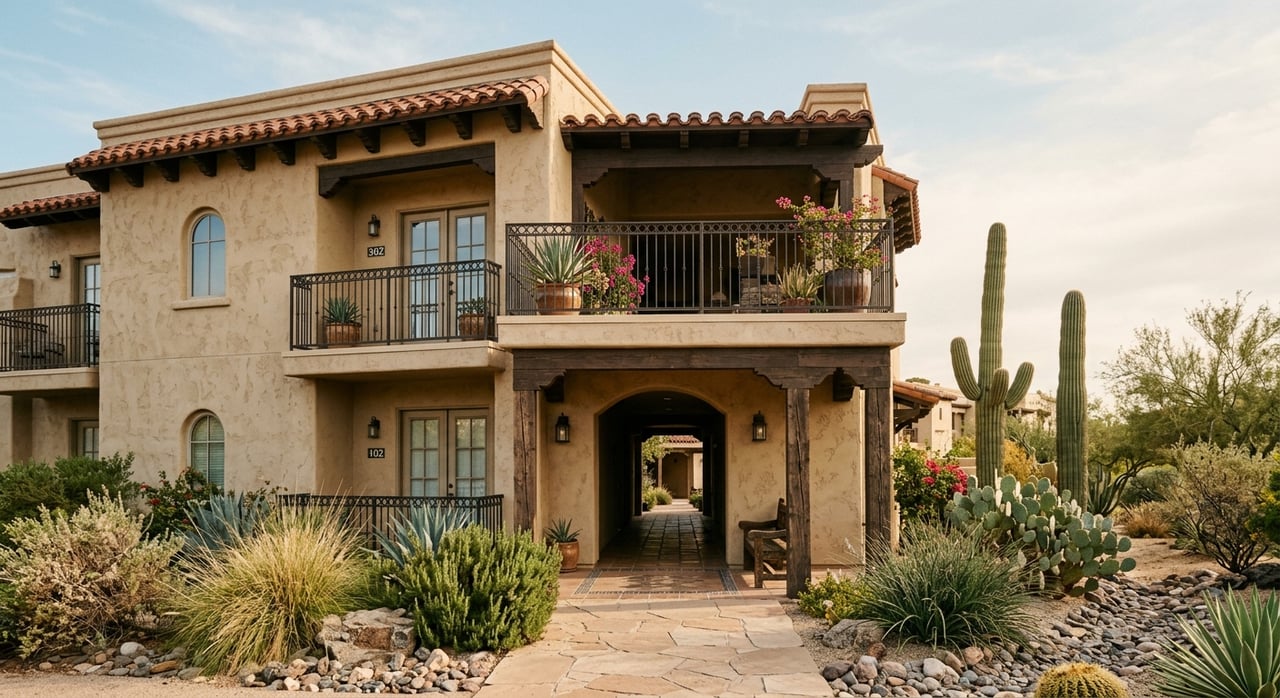
Summerlin Condo Or House? How To Decide What Fits
Trying to choose between a condo, townhome, or house in Summerlin? That decision can feel simple at first, then surprisingly complicated once you start comparing monthly costs, maintenance, location, and lifestyle. The good news is that Summerlin gives you strong options in each category, so the right fit usually becomes clearer once you know what to compare. Let’s break it down in a practical way.
Summerlin is not a one-size-fits-all community. It includes more than 300 parks, more than 200 miles of trails, resident-only community centers, and Downtown Summerlin as its urban core. That range gives you very different living experiences depending on where and what you buy.
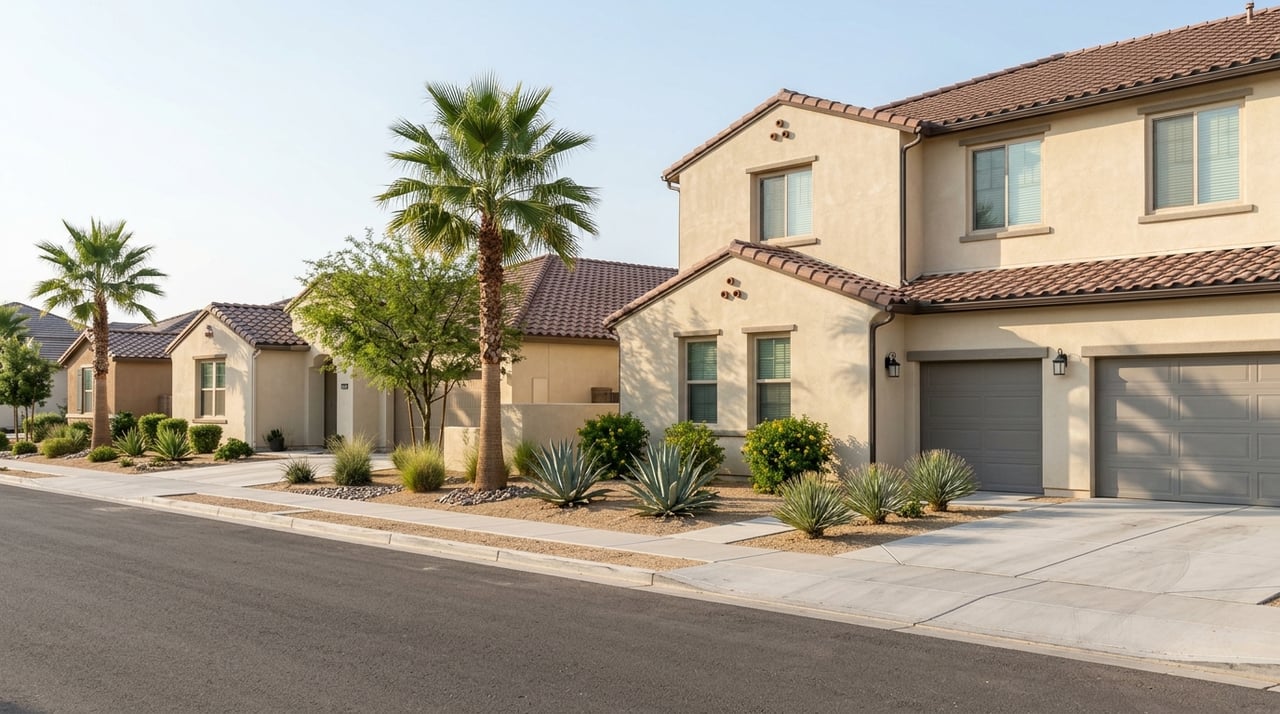
Some areas lean toward attached living, especially newer west-side districts and neighborhoods near Downtown Summerlin. Other established villages still follow a more traditional single-family neighborhood pattern. That means your decision is not just about condo versus house, but also about which part of Summerlin matches your day-to-day life.
In Nevada, a condominium is a separate real estate interest in space plus an undivided interest in the common parts of the property. In plain English, you own your unit and also share ownership of certain common areas. That ownership structure matters because it affects documents, dues, insurance, and maintenance responsibilities.
A townhouse in a planned community is recognized differently from a condo under Nevada law. In Summerlin, though, you may see labels like condo, townhome, and attached used in marketing. That is why it is smart to verify the legal ownership form and review the HOA documents instead of relying only on the product name.
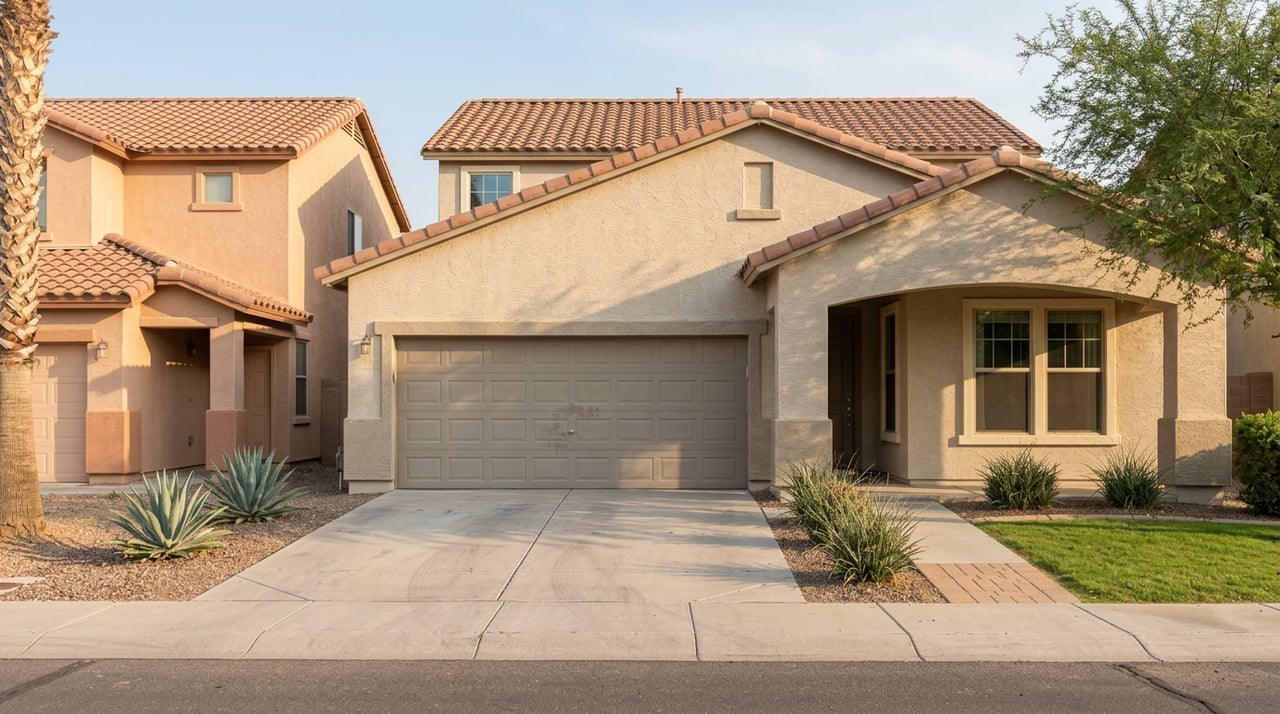
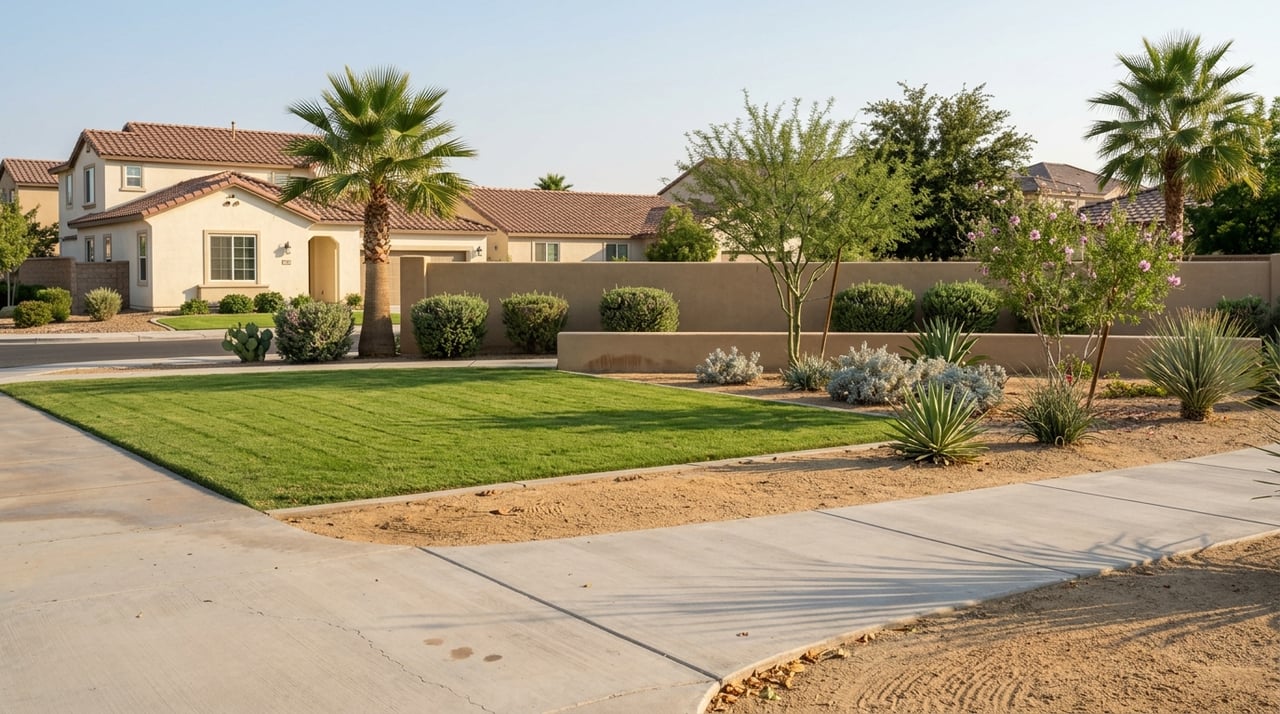
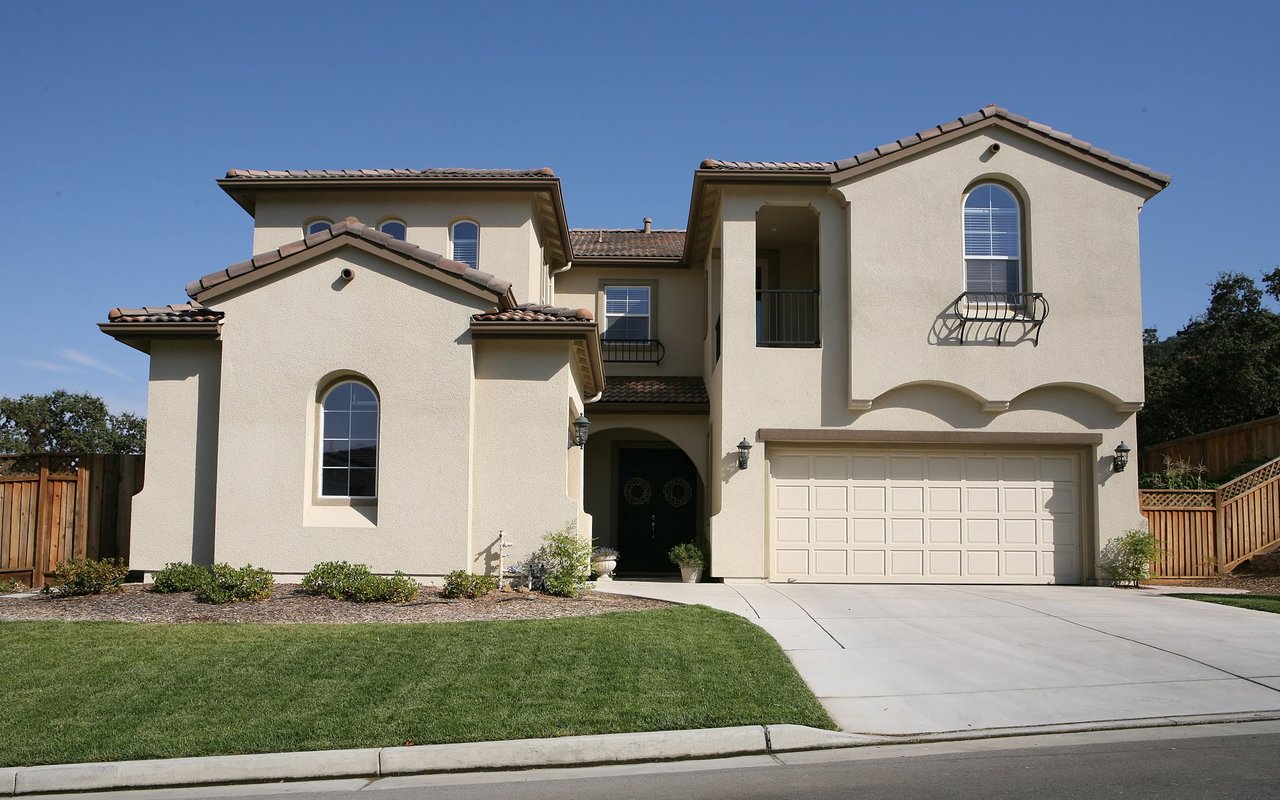
A house in Summerlin often means a more traditional neighborhood setup with detached living, more private outdoor space, and a classic village feel. That does not automatically mean every house has a large yard or heavy upkeep. It simply means you will usually have a different balance of privacy, space, and maintenance than you would in an attached home.
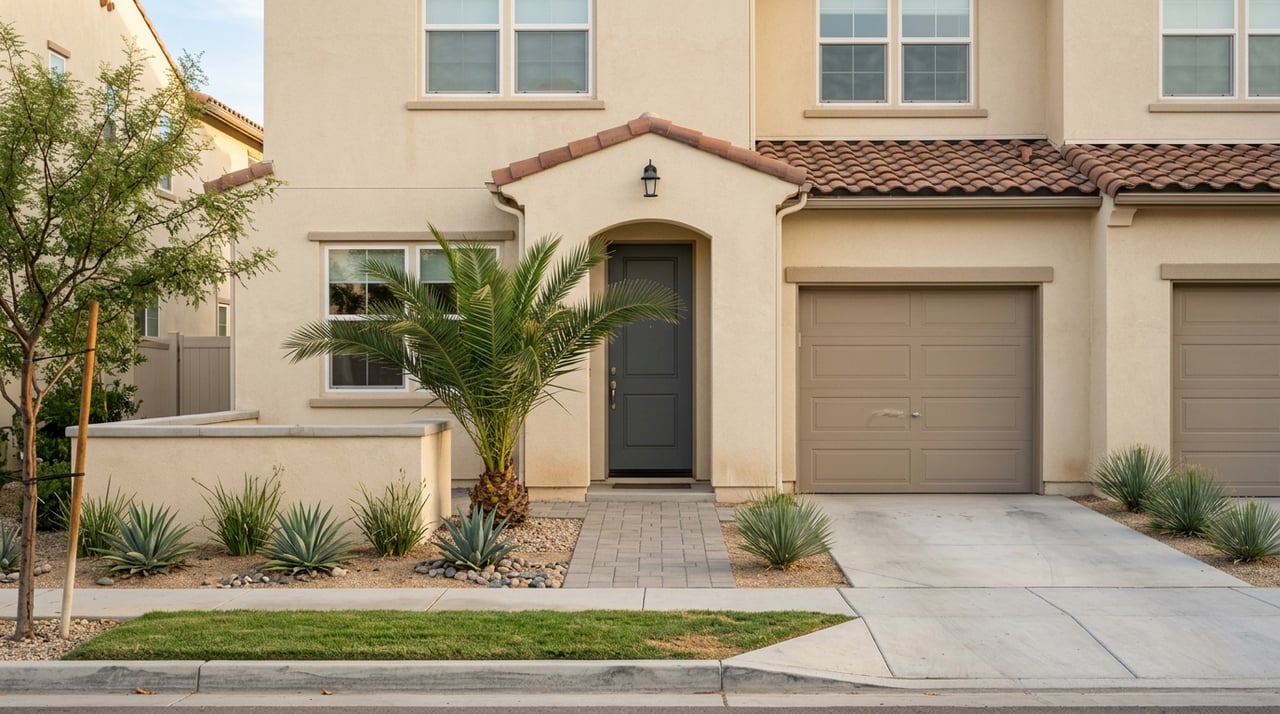
Summerlin’s current attached-home options are spread across several districts. Official community materials identify attached-home neighborhoods in Kestrel Commons, Redpoint Square, Summerlin Centre, Reverence, The Canyons, South Square, and The Ridges. These include two-story townhomes, paired homes, and mid-rise condominium flats.
Many of these neighborhoods are organized around shared amenities and convenience. Depending on the community, that can include access to a pool, community center, village trails, parks, clubhouse, fitness center, sport courts, and guest parking. If you want a lower-maintenance setup, these areas deserve a close look.
If you picture a more conventional neighborhood setting, established Summerlin villages may feel more natural. The Trails, The Crossing, The Arbors, The Willows, The Gardens, The Vistas, The Paseos, and The Mesa are described by Summerlin as mixed-use villages with single- and multi-family neighborhoods, major parks, and nearby civic uses.
Summerlin’s planning history adds another useful detail. Every neighborhood is required to have its own pocket park, and every village must have at least one major community park. For many buyers, that creates the kind of broader neighborhood framework that feels more aligned with a detached home purchase.
One of the biggest mistakes buyers make is focusing too much on list price. A condo or townhome may come in at a lower purchase price than a house, but that does not always mean your monthly housing cost will be lower. In Summerlin, the better comparison is your full monthly cost.
That total can include principal, interest, mortgage insurance, property taxes, homeowners insurance, supplemental insurance, HOA dues, and maintenance. HOA dues are often paid separately from the mortgage payment. For condos, townhomes, and many planned-community homes, that monthly number can make a major difference in affordability.
HOA dues are not a side note. They can range from a few hundred dollars a month to more than $1,000 a month, and they are usually separate from your mortgage payment. If dues stretch your budget too far, a lower-priced attached home may not feel as affordable as it first appears.
It is also important to know that failing to pay HOA dues can lead to collection efforts or foreclosure by the association. That is one more reason to study the HOA structure early, not after you fall in love with a property.
Insurance can also be more layered with a condo. In many condo communities, the association carries master insurance for common areas, while you still need coverage for your own unit and personal property. That setup can be different from a detached house, where your policy may cover a broader portion of the property directly.
The key takeaway is simple. Before you compare a Summerlin condo to a house, ask for the full monthly picture, not just the mortgage estimate.
Summerlin’s own marketing highlights one of the clearest benefits of attached living: smaller footprints, less maintenance, and no yardwork. For some buyers, that alone is the deciding factor. If you travel often, want an easier routine, or simply do not want to spend weekends on exterior upkeep, a condo or townhome can be a strong fit.
That tradeoff often comes with access to onsite or neighborhood amenities as part of the value proposition. In Summerlin, the resident-only recreation system is extensive, with community centers, pools, the Tennis Club, major parks, and resident programming that includes classes, camps, and annual events. If you know you will actually use those amenities, attached living may offer more value than it first seems.
If your top priority is convenience, Downtown Summerlin and nearby districts should be high on your list. Downtown Summerlin is described as a 400-acre walkable, mixed-use destination just east of the 215 Beltway, with retail, dining, entertainment, office space, professional sports venues, and leased residences in the area.
For buyers who want a true lock-and-leave lifestyle, this part of Summerlin is the closest match. Summerlin Centre is especially relevant because it is designed for connectivity to Downtown Summerlin and includes homes suited to that easier, lower-maintenance style of living.
Current examples near this area include Affinity, which is within walking distance of Downtown Summerlin, and Thrive, which is described as a short walk away. Redpoint Square and Kestrel Commons are also current attached-home hubs with a focus on walkable connectivity and modern living.
If you want more room, more bedrooms, or a more traditional neighborhood pattern, houses in established or larger village areas may fit better. In those parts of Summerlin, the appeal often comes from the village layout itself, with parks, trails, and a more conventional residential feel.
This does not mean attached homes are only urban or that houses are always higher maintenance. In Summerlin, those lines can blur. The better question is which combination of space, location, upkeep, and amenities fits how you want to live.
Summerlin’s current inventory shows how much overlap there can be between attached and detached options. Official examples of attached homes include Ascent in Redpoint Square from the low $300,000s, Moro Rock from the low to mid $300,000s, Affinity from the high $300,000s, Monument in Reverence from the high $400,000s to mid $500,000s, Cordillera from the high $500,000s to mid $600,000s, Mira Villa from the mid $600,000s, Trilogy from the low $400,000s, and Fairway Hills from the low $700,000s.
On the single-family side, current examples include Aberdeen in Grand Park from the $600,000s and Esplanade at Red Rock in La Madre Peaks from just under $700,000 to more than $1.6 million. That overlap matters because a luxury attached home may compete directly with a detached home in your budget. Once you get into those ranges, your decision often comes down more to lifestyle than to price alone.
If you are trying to narrow it down, start with these questions:
These questions usually get you closer to the right answer than asking, “Which is better?” There is no universal winner. There is only the better fit for your budget, routine, and goals.
In Summerlin, the word condo does not automatically mean dense urban living, and the word house does not automatically mean more work. The smarter comparison is ownership structure, HOA scope, location, monthly cost, and amenity access.
That is especially true in a community this broad. Summerlin offers attached-home neighborhoods, mid-rise flats, townhome-style living, and classic single-family villages inside the same master plan. If you compare the right factors from the start, you can make a confident choice and avoid paying for a lifestyle that does not really match how you live.
If you want help comparing Summerlin condos, townhomes, and houses with local context and clear numbers, Brian Wedewer can help you sort through the options and focus on what truly fits.
Ready to find your dream home or sell your property for top dollar? Partner with me, an experienced real estate agent dedicated to making your real estate journey smooth and successful. Let's turn your real estate goals into reality today! Contact me now to get started.
8850 WEST SUNSET ROAD SUITE 200 LAS VEGAS NV 89148