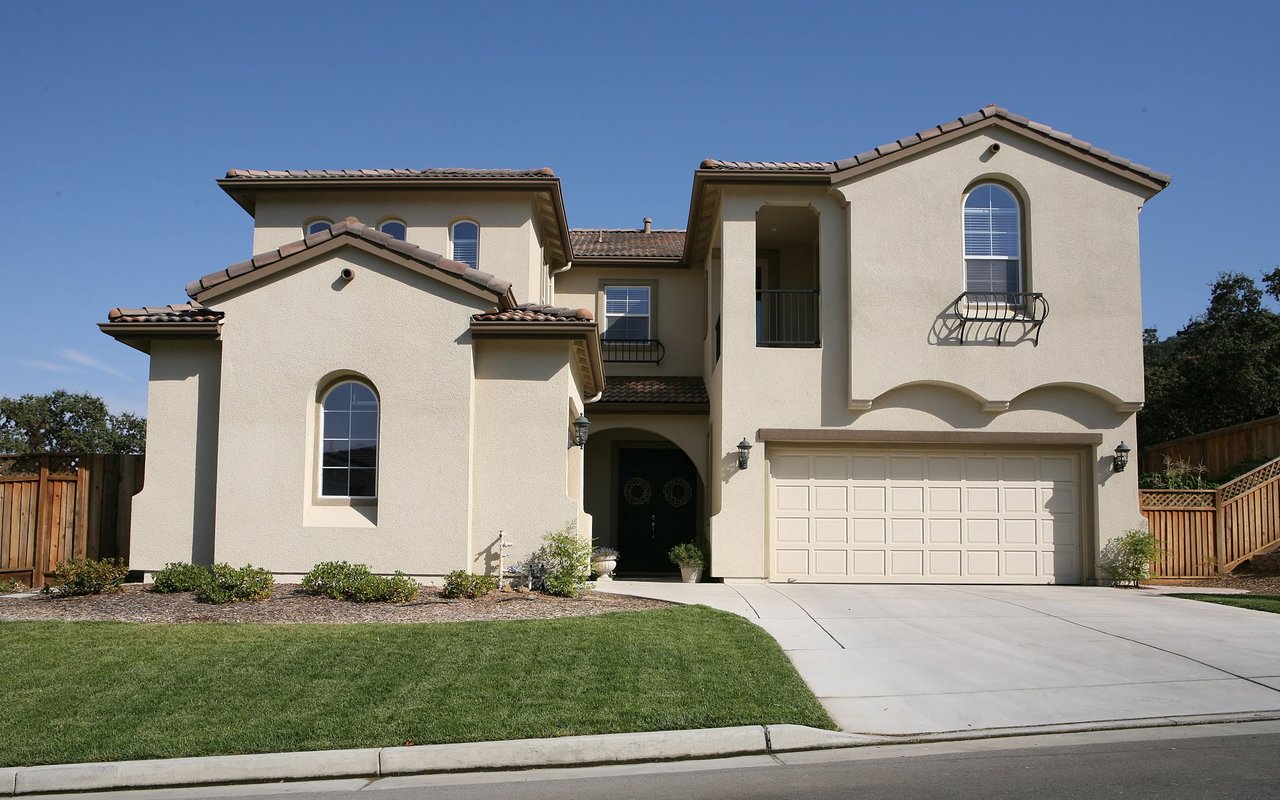
Thinking about a home in Summerlin and wondering what the HOA will expect from you? You are not alone. HOAs shape daily life in many Summerlin villages, from paint colors to parking and pool hours. In this guide, you will learn how HOA rules work, what documents to review, how architectural approvals really happen, what fees to expect, and how Nevada’s resale disclosures protect you. Let’s dive in.
How HOAs work in Summerlin
Summerlin is a master‑planned community with many distinct villages and neighborhoods. Each village can have its own HOA, and some areas also fall under broader master or developer controls while construction is ongoing. The result is that rules, fees, and amenities can differ even between nearby streets.
Summerlin’s overall framework and amenities are outlined on the official Summerlin community site, and the community was developed by The Howard Hughes Corporation. Day to day, most neighborhoods are run by their village HOA or a professional management company that enforces the governing documents and collects assessments.
The big takeaway for buyers is simple: always identify the exact HOA or HOAs that govern the property you want and review those specific rules before you remove contingencies.
The documents you should review
When you go under contract, ask for the full resale package early so you have time to read. Focus on these high‑impact items:
- CC&Rs. This is the primary document that governs how you can use your property. It covers leasing rules, pets, parking, landscaping standards, exterior maintenance, signage, satellite and solar guidelines, enforcement, and how rules can be amended.
- Bylaws. These explain how the HOA is run, including board elections, meetings, and voting.
- Rules and Regulations. These fill in day‑to‑day details like amenity hours, reservation rules, and noise policies.
- Architectural Guidelines. If you plan any exterior changes, these standards and procedures are essential reading.
- Financials and Reserve Study. Look at the budget, current dues, reserve funding, and recent financial statements. Strong reserves reduce the chance of special assessments.
- Insurance Summary. Learn what the HOA insures versus what you must insure.
- Meeting Minutes and Litigation Disclosures. Minutes from the last year can reveal recurring issues or pending projects, and litigation can affect financing.
- Estoppel or Resale Certificate. This states amounts owed, current dues, and usually includes copies or links to the key documents.
If you need official recorded CC&Rs or plats for a property, you can search the Clark County Recorder’s Office.
Architectural changes and approvals
Most Summerlin villages use an Architectural Review Committee, often called the ARC. During developer control, the developer may retain approval authority. After turnover, the HOA’s ARC typically handles applications.
Here is what to expect:
- Application package. Submit plans, a site plan with setbacks, elevation drawings or photo simulations, material and color samples, and contractor information. Some applications require fees.
- Review timeline. Many HOAs publish a review window in their guidelines. A 30 to 60 day review timeframe is a common industry range, but you must confirm the timeline in the specific community’s rules.
- Potential outcomes. You might receive a conditional approval, a request for revisions, or a denial. Do not start work until approval is issued.
- Common restrictions. Expect standards for exterior paint colors, roofing, fencing style and height, hardscape materials, visible satellite dishes or antennas, RV storage, and landscaping.
- Separate permits. ARC approval is not the same as a county permit. Confirm whether your project also needs Clark County permits and inspections.
Enforcement usually follows a clear process: notice of violation, fines, potential suspension of amenity access, and in serious cases, liens for unpaid assessments or fines. If you are buying with renovation plans, ask for the ARC application and recent examples of approvals or denials before you close.
Fees, assessments, and amenities
Assessments vary by village and by amenity level. Neighborhoods with pools, clubhouses, fitness centers, or gated entries usually have higher dues than communities with limited common areas. Exact amounts change over time, so rely on the current budget and estoppel for numbers, not market averages.
You may encounter several fee types:
- Regular assessments. Monthly or quarterly dues for maintenance, amenities, insurance, and operations.
- Master or community assessments. Separate fees for broader community assets where applicable.
- Special assessments. Used when reserves are not sufficient for major repairs or projects.
- Transfer and move‑in fees. Charged at closing or when you register for gate access and amenities.
- Fines. Assessed for rule violations, if applicable.
Amenities vary but often include parks, pools and spas, trails, playgrounds, dog parks, sports courts, and community centers. Many residents enjoy proximity to retail and dining at Downtown Summerlin. Some villages offer gated security or expanded landscape services.
When you review the financials, watch for warning signs like low reserves compared to the reserve study, repeated special assessments, high delinquency rates, or major pending litigation disclosed in the minutes.
Resale disclosures and Nevada law
Nevada’s HOA framework lives in NRS Chapter 116, which outlines owner and association rights, disclosure requirements, and document access. The seller or HOA typically provides a resale package or estoppel showing the current assessment status and attaching key documents.
Resale packages commonly include:
- Current dues, any delinquencies, and any pending special assessments
- CC&Rs, bylaws, rules, and architectural guidelines or links to them
- Budget, reserve funding summary, and insurance disclosures
- Any pending legal actions involving the HOA
- Transfer and registration fees and move‑in rules
HOAs charge a fee for the resale package and response times vary. To stay on schedule, order it as soon as escrow opens so you can review everything before removing contingencies. For general guidance on HOA resources in the state, you can visit the Nevada Real Estate Division.
If you are planning to rent the property, confirm rental rules in the CC&Rs and also verify local ordinances for short‑term rentals with Clark County.
A smart review checklist
Use this quick list with your agent during the contingency period:
- Confirm every governing HOA for the property and get the latest CC&Rs, rules, and ARC guidelines.
- Review rental rules, including any limits or prohibitions on short‑term rentals.
- Read architectural standards if you plan exterior changes, including solar or patio covers.
- Compare the reserve study to current reserves and recent special assessments.
- Learn what the HOA insures and what you must insure.
- Check parking rules, guest parking policies, and any RV or boat storage restrictions.
- Verify pet rules, including limits or size standards, if applicable.
- Scan meeting minutes for recurring issues or big upcoming projects.
- Get move‑in procedures, gate devices, and amenity registration steps in writing.
If you need copies of recorded documents like CC&Rs or plats, the Clark County Recorder’s Office is a useful source.
Common buyer and seller scenarios
- You plan to add a pool or patio cover. Ask for the ARC guidelines now, request current turnaround times, and budget for both HOA approval and county permits. Confirm setbacks and any height or material limits before you close.
- You want to rent your home. Check the CC&Rs for rental caps or prohibitions and verify local short‑term rental rules with Clark County. Some HOAs allow longer leases only.
- You are buying into a gated community. Expect move‑in registration and device fees. Confirm guest access procedures and any restrictions on contractor hours.
- You are concerned about future costs. Focus on the reserve study, look for a pattern of special assessments, and review delinquency rates and litigation disclosures in the resale package.
- You are selling. Order the resale package promptly after contract acceptance to avoid delays, and clear any outstanding fines or dues before closing.
Work with local guidance you can trust
HOA rules do not have to be a roadblock. With the right documents and a clear review process, you can buy confidently in the Summerlin village that fits your lifestyle and goals. If you want help identifying the right neighborhoods, interpreting CC&Rs, and coordinating resale packages and ARC questions, reach out to an experienced local advisor.
If you are exploring Summerlin, connect with Brian Wedewer for practical guidance and next steps.
FAQs
What is an HOA in Summerlin and why does it matter when buying?
- An HOA sets and enforces rules for a specific village, manages common areas, collects dues, and can impact how you use and modify your property, so you should review its documents before removing contingencies.
Which HOA documents should a Summerlin buyer read first?
- Start with the CC&Rs, Rules and Regulations, Architectural Guidelines, budget, reserve study summary, insurance summary, and the estoppel or resale certificate provided during escrow.
How do architectural approvals work in Summerlin HOAs and how long do they take?
- You submit an application with plans and materials, and the ARC reviews it for compliance; many communities specify a review window, with 30 to 60 days as a common industry range that you should verify in the guidelines.
What HOA fees should I expect in Summerlin and what do they cover?
- Expect regular assessments, possible master assessments, transfer or move‑in fees, and occasional special assessments, with dues funding maintenance, amenities, insurance, and operations based on the village’s amenity level.
What is a resale package or estoppel in a Nevada HOA transaction?
- It is an official disclosure that lists current dues owed, pending assessments or violations, and includes key governing documents, budget and reserve information, insurance details, and any litigation disclosures.
Can I rent out my Summerlin home under HOA and local rules?
- CC&Rs may restrict or cap rentals and short‑term rentals, so check your HOA’s documents and confirm local regulations with Clark County before you buy or lease.